

Fresh uncertainty has emerged in the Middle East after Iran accused the United States and Israel of violating a recently agreed ceasefire arrangement. The development comes amid reports that tensions remain high despite diplomatic efforts aimed at reducing conflict in the region.
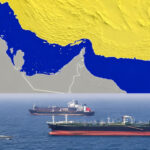
Iran has also raised concerns regarding the strategic Strait of Hormuz, one of the world’s most important maritime trade routes. The latest statements have drawn international attention as governments and markets closely monitor developments that could impact regional stability and global energy supplies.
Iran Raises Concerns Over Ceasefire Compliance
According to reports, Iran has accused both the United States and Israel of failing to fully comply with commitments linked to the ceasefire understanding. The accusations surfaced after continued military activity and reported strikes in parts of the region.
At the same time, Israel and Hezbollah have each accused the other side of violating the ceasefire terms. These mutual allegations have increased uncertainty about whether a lasting peace arrangement can be achieved.
The situation has highlighted the fragile nature of ongoing diplomatic efforts and raised questions about the future of broader regional agreements.
Why the Strait of Hormuz Matters
The Strait of Hormuz is considered one of the most strategically important waterways in the world. A significant portion of global oil and energy shipments passes through this narrow maritime corridor.
Any disruption to shipping traffic in the strait could have far-reaching economic consequences, affecting international energy markets and global trade flows.
Despite concerns, a spokesperson for the United States Central Command stated that commercial traffic continues to move through the waterway and that US forces are monitoring the situation closely.
Diplomatic Talks Remain in Focus
The latest tensions come as discussions between Iran and the United States are reportedly expected to continue. According to various media reports, talks are scheduled to take place in Switzerland, where both sides are expected to discuss key issues related to existing agreements and future cooperation.
Iran has indicated that it will seek assurances that commitments made by the United States are fully implemented. Meanwhile, US officials have reportedly described the current phase of discussions as focusing on technical elements of the agreement.
Diplomatic observers believe the outcome of these talks could play an important role in determining whether tensions ease or continue in the coming weeks.
International Attention on Regional Stability
The developments have attracted significant international attention because of their potential impact on security, trade, and energy markets.
Analysts note that maintaining stability in the Gulf region remains a priority for many countries due to the strategic importance of shipping routes and energy supplies.
As negotiations continue and both sides exchange accusations regarding ceasefire violations, global attention remains focused on diplomatic efforts aimed at preventing further escalation.
Conclusion
The latest dispute involving Iran, the United States, Israel, and Hezbollah has once again highlighted the challenges facing regional peace efforts. While shipping traffic through the Strait of Hormuz continues without disruption, concerns over ceasefire compliance and future diplomatic agreements remain unresolved.
With talks reportedly expected in Switzerland, the coming days could prove crucial in shaping the next phase of relations between the parties involved and determining the stability of the wider region.






One thought on “Hormuz Strait Tensions Rise as Iran Accuses US and Israel of Violating Ceasefire Agreement”