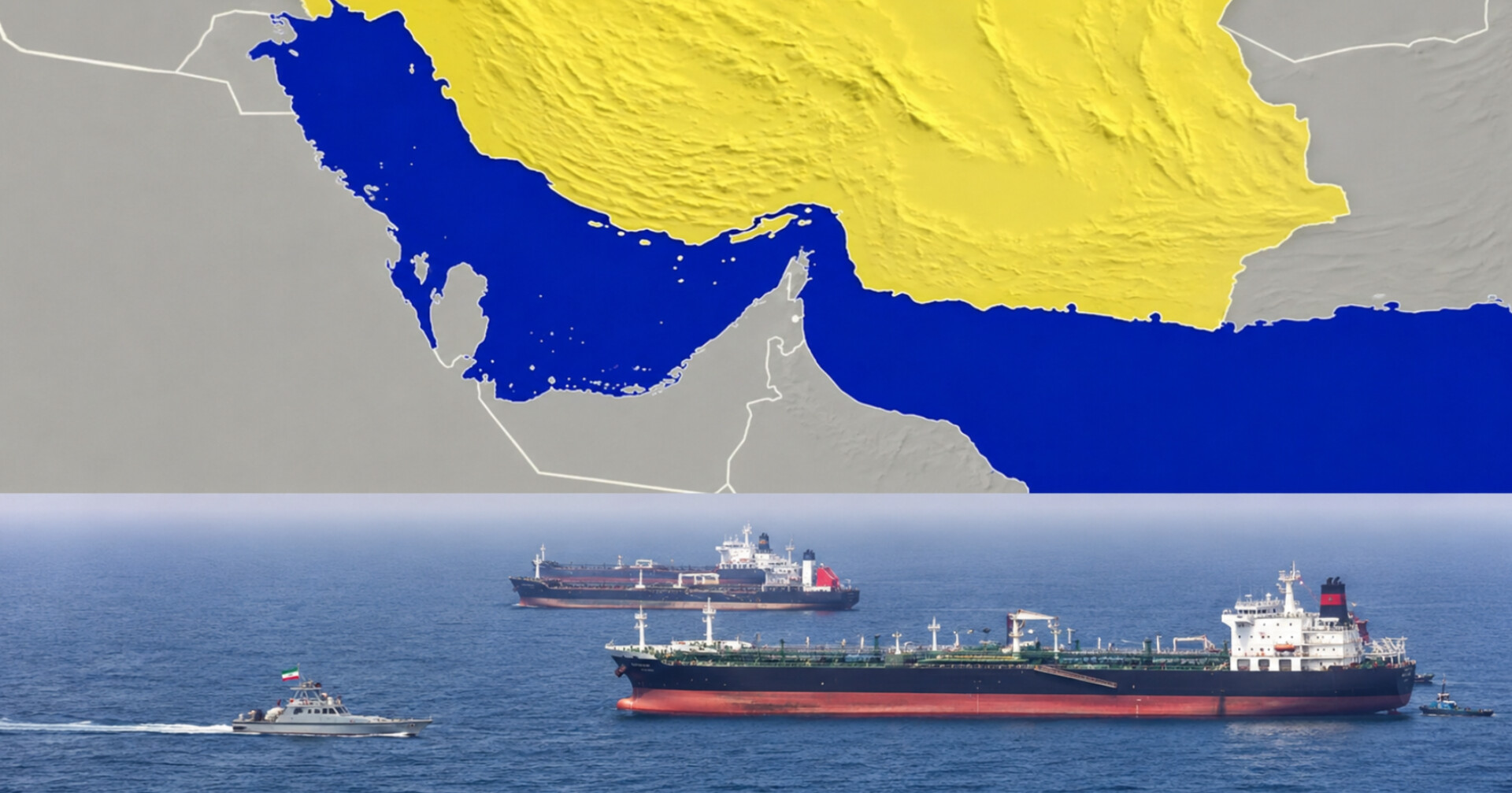
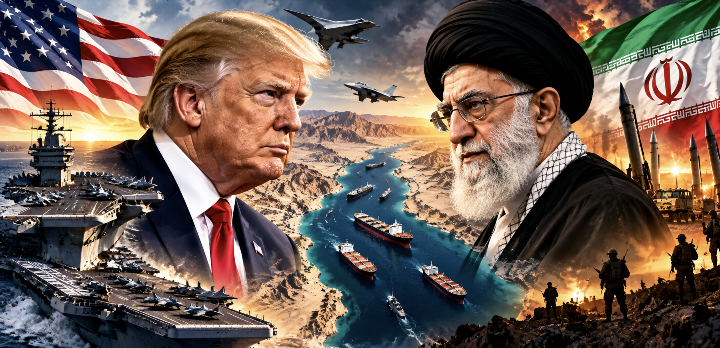
A fresh development in the Middle East has attracted international attention after Iran announced plans to close the Strait of Hormuz to all forms of maritime traffic. The announcement was reportedly made by Iran’s Khatam al-Anbiya Central Headquarters amid growing concerns over regional stability.
According to the statement, the decision was taken as a response to what Iran described as violations of commitments and agreements by the United States and Israel. The announcement has sparked discussions among political observers, economic analysts, and international stakeholders due to the strategic importance of the Strait of Hormuz.
Why the Strait of Hormuz Matters
The Strait of Hormuz is one of the world’s most important maritime routes. A significant portion of global oil and energy shipments passes through this narrow waterway, making it a critical link for international trade and energy markets.
Any disruption to traffic through the strait has the potential to affect global shipping operations and influence energy supply chains. As a result, developments involving the waterway are closely monitored by governments and businesses around the world.
Iran’s Position
Iran has stated that the move comes in response to actions it believes violate previously agreed commitments and understandings. The announcement reflects the continuing tensions between Iran and several Western allies in the region.
While Iran has expressed its position publicly, international observers are waiting to see how the situation develops and whether any further diplomatic discussions take place in the coming days.
Global Economic Concerns
The Strait of Hormuz plays a vital role in global commerce, particularly in the transportation of crude oil and energy products. Because of its strategic importance, any developments related to the waterway often attract immediate attention from financial markets.
Economic experts note that uncertainty surrounding key shipping routes can influence energy prices, transportation costs, and broader market sentiment. For this reason, the latest announcement has become a topic of interest beyond the Middle East.
Regional Tensions Remain in Focus
The announcement comes at a time when the Middle East continues to experience geopolitical challenges and diplomatic disagreements. International organizations and governments are closely observing the situation as they assess its potential impact on regional stability.
Political analysts believe that developments involving major maritime routes often carry significance beyond the immediate region because of their influence on global trade and security considerations.
Conclusion
Iran’s announcement regarding the Strait of Hormuz has once again placed the strategic waterway at the center of international attention. The decision, which Iran says is linked to concerns about commitments made by the United States and Israel, has raised questions about regional stability and global trade implications.
As the situation continues to evolve, governments, businesses, and international observers will closely monitor developments surrounding one of the world’s most important maritime corridors.
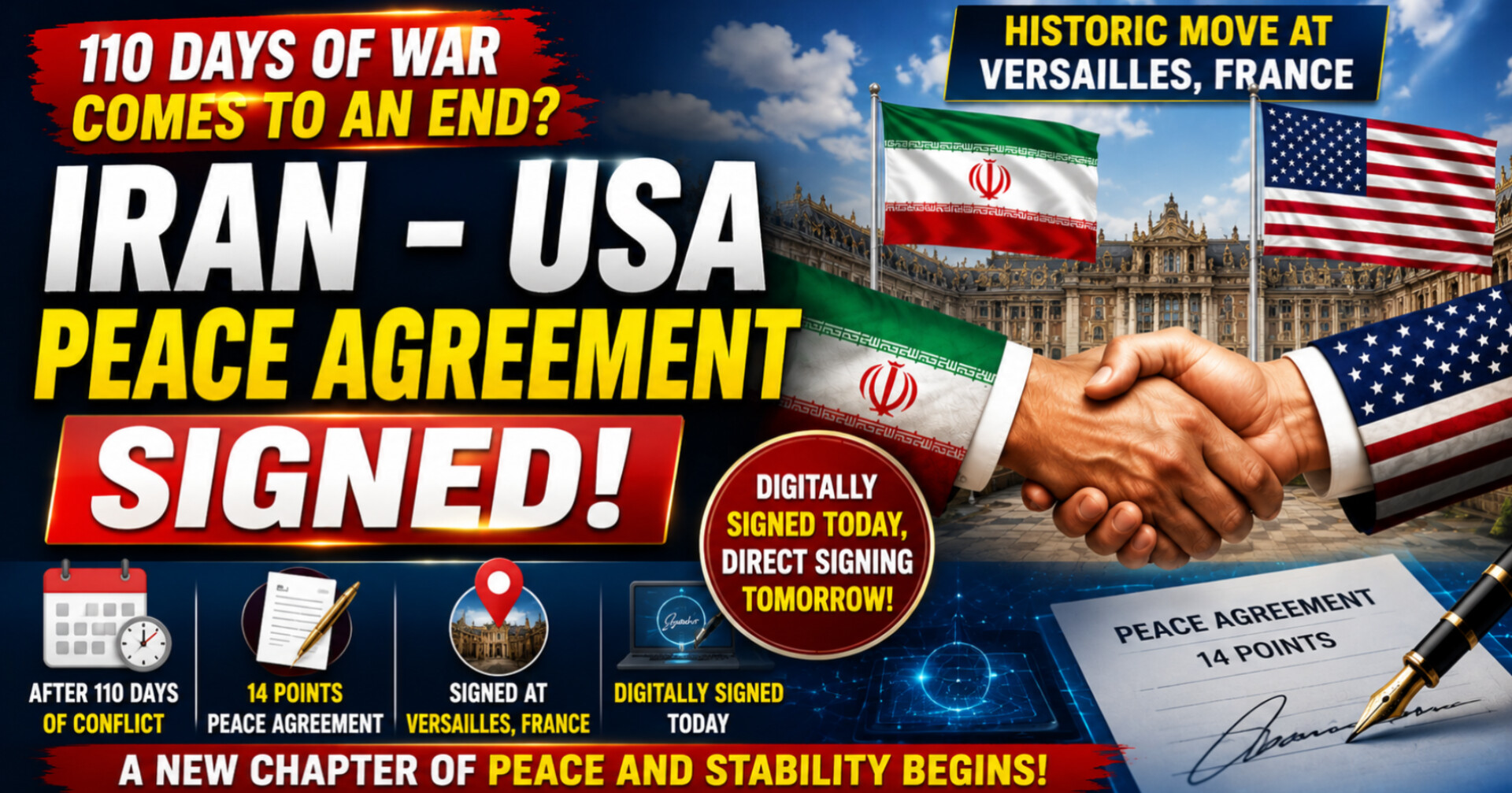
Spread the loveA significant development has reportedly taken place in efforts to end the conflict between Iran and the United States. According to the information […]
Spread the loveComments reportedly made by former US President Donald Trump regarding India and Prime Minister Narendra Modi have attracted significant attention in international political […]
Spread the loveThe Middle East is once again at the centre of international security concerns as tensions between the United States and Iran remain high. […]






One thought on “Iran’s Hormuz Strait Announcement Draws Global Attention Amid Rising Regional Tensions”